Beyond SeoulConnecting Cultures
About Us

Walk local markets together,discover ingredients, and connect through food culture.Start with Dobong-gu.

This is a networking space where visitors and Koreans meet beyond tourist spots, explore everyday markets at an easy pace, think about ingredients and cooking, and continue into nearby restaurants.

Imagine Korean market ingredients in your own cuisine

Verified starter notes and real photos show how Korean market ingredients can connect to dishes from different countries.

01 / 31Swipe through ingredient cards
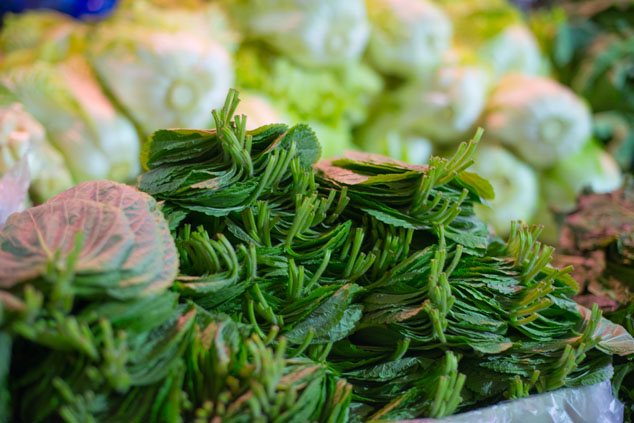
Perilla leaves Kkaennip selected photo
Aromatic leaf

Perilla leavesKkaennip

Source

A fragrant leaf used for wraps, pickles, kimchi, jeon, and grilled meat pairings.

Think of it as an aromatic herb near mint or basil, but with a distinct anise-like Korean character.

How could it work in dolma, lalapan, herb salads, or sandwiches?Photos from Wikimedia Commons or local verified copies
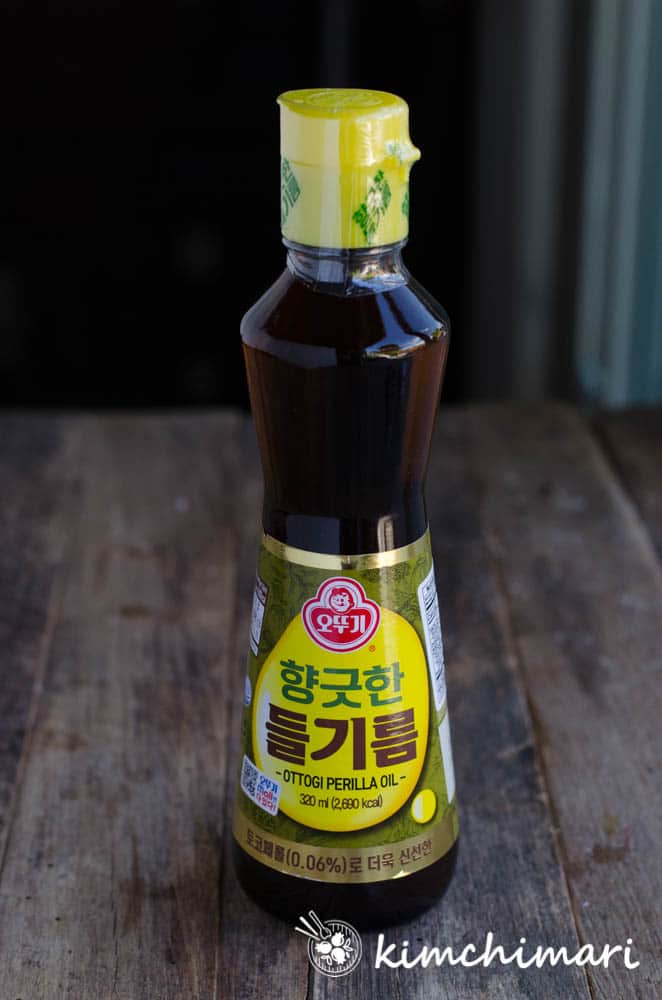
Perilla oil Deulgireum selected photo
Aromatic oil

Perilla oilDeulgireum

Source

A nutty oil pressed from perilla seeds, often used with namul, bibimbap, noodles, and tofu.

Use it like a finishing oil, but expect a deeper toasted seed aroma than olive oil.

Could a few drops fit Turkish yogurt dips or Dutch potato dishes?Perilla oil bottle photo from Kimchimari; noodle photo from Wikimedia Commons
Mugwort Ssuk selected photo
Spring herb

MugwortSsuk

Source

A deeply Korean spring herb used in soup, rice cakes, pancakes, and desserts.

It behaves like an herb, but its earthy green aroma can also work in sweets.

Could it fit scones, coconut desserts, or herbal breads?Photos from Wikimedia Commons
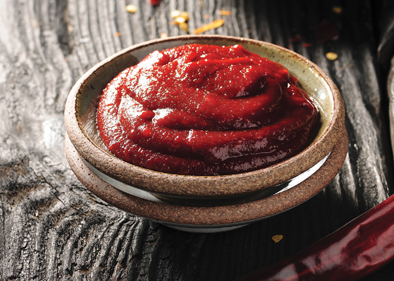
Gochujang Gochujang selected photo
Fermented paste

GochujangGochujang

Source

A spicy-sweet fermented red chili paste made with chili powder, grains, soybean powder, and salt.

It is a thick savory paste rather than a thin hot sauce.

How might it fit barbecue sauce, potato dishes, or fried noodles?Photos from Korea Agro-Fisheries & Food Trade Corporation and Wikimedia Commons
Doenjang Doenjang selected photo
Fermented bean paste

DoenjangDoenjang

Source

A deep, earthy Korean soybean paste used in stews, soups, dips, and vegetable dishes.

It can be compared with miso, but it is usually stronger, coarser, and funkier.

Could it become an umami base for stews or bean dishes?Photos from Wikimedia Commons
Korean chili flakes Gochugaru selected photo
Chili seasoning

Korean chili flakesGochugaru

Source

Korean red pepper flakes used in kimchi, stews, and seasoned vegetables.

It adds color and heat like chili flakes, but often with a fruitier Korean profile.

How would it change dry rubs, sambal, or roasted vegetables?Photos from Wikimedia Commons
Roasted seaweed Gim selected photo
Sea vegetable

Roasted seaweedGim

Source

Thin roasted seaweed used with rice, gimbap, rice balls, and snacks.

It works as a snack, but also adds ocean flavor and crisp texture.

Could it top chips, salads, or open sandwiches?Photos from Wikimedia Commons
Sea mustard Miyeok selected photo
Sea vegetable

Sea mustardMiyeok

Source

A soft seaweed used in soups, cold soups, and seasoned salads.

It is close to wakame and brings ocean flavor plus a silky texture.

Could it work in yogurt soups or cold salads?Photos from Wikimedia Commons
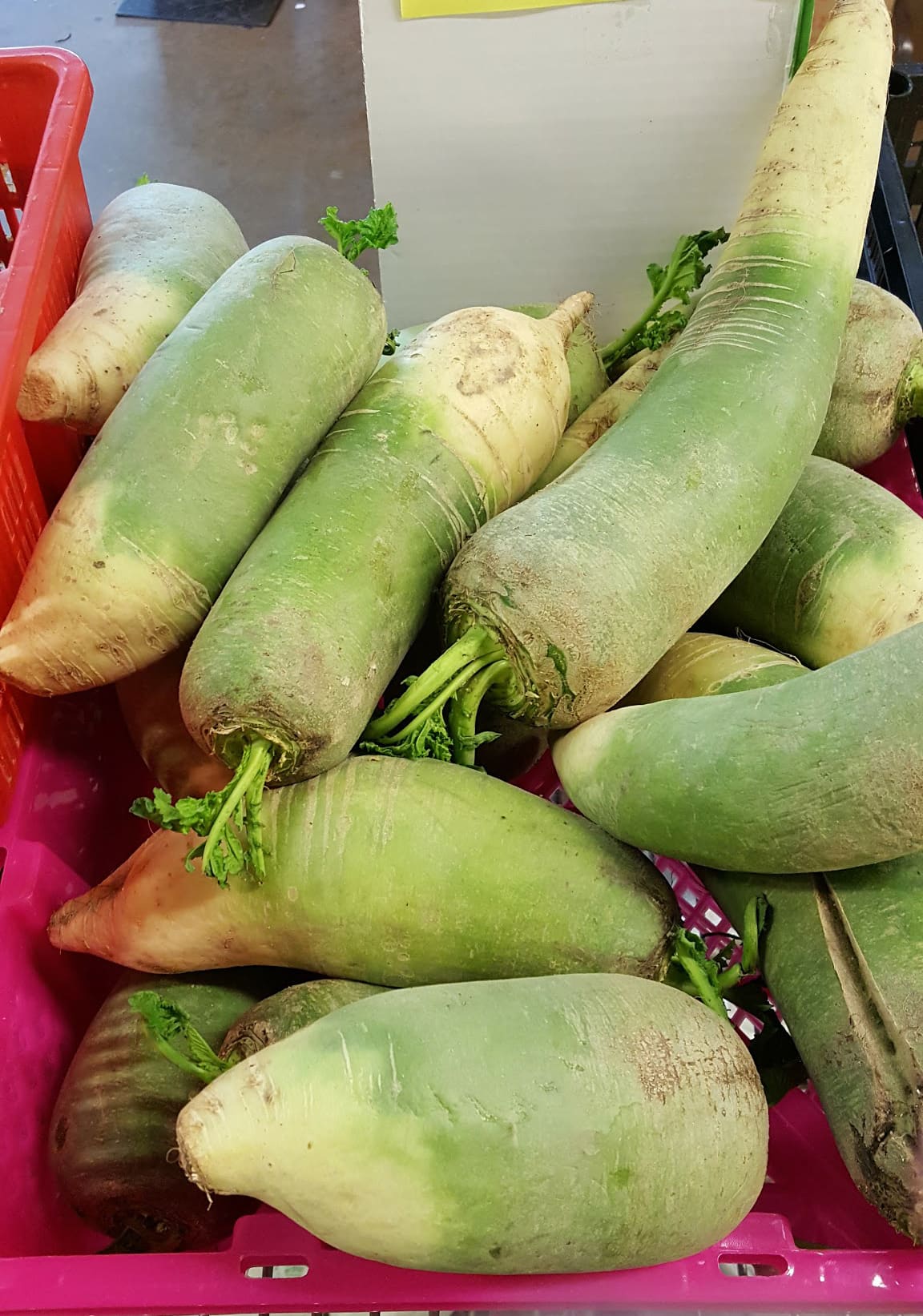
Korean radish Mu selected photo
Root vegetable

Korean radishMu

Source

A firm, crisp radish used in soups, fresh salads, kkakdugi, and braised dishes.

It is close to daikon, but often adds clean sweetness to Korean broths.

Could it work in soto, stews, or pickles?Photos from Tim Evanson and Wikimedia Commons
Napa cabbage Baechu selected photo
Leaf vegetable

Napa cabbageBaechu

Source

A key leaf vegetable for kimchi, wraps, soups, and hot pots.

Softer and juicier than many cabbages, it is excellent for salting and soups.

Could it replace cabbage in rolls or slaws?Photos from Wikimedia Commons
Minari Minari selected photo
Fresh herb vegetable

MinariMinari

Source

A fresh Korean water parsley used in soups, salads, pancakes, and meat pairings.

It can play a parsley or celery-like role, but feels greener and cleaner.

Could it brighten Turkish salads or seafood dishes?Photos from Wikimedia Commons
Garlic chives Buchu selected photo
Aromatic green

Garlic chivesBuchu

Source

A garlicky green used in pancakes, kimchi, dumpling fillings, and meat pairings.

Stronger and flatter than chives, it cuts through rich food well.

Could it fit borek, omelets, or dumplings?Photos from Wikimedia Commons
Balloon flower root Doraji selected photo
Root namul

Balloon flower rootDoraji

Source

A crunchy, slightly bitter root used in seasoned salads, namul, and fries.

It has root-vegetable crunch, but the bitterness needs seasoning and soaking.

Could it become a root salad or mezze-style side?Photos from Wikimedia Commons
Deodeok root Deodeok selected photo
Aromatic root

Deodeok rootDeodeok

Source

A fragrant root often grilled with seasoning or served as a seasoned side.

It can feel hearty like a grilled vegetable or mushroom, but with a bitter herbal aroma.

Could it work in vegetarian barbecue or grilled vegetable plates?Photos from Wikimedia Commons
Bracken fern Gosari selected photo
Mountain vegetable

Bracken fernGosari

Source

Cooked fern shoots commonly used in bibimbap and namul.

It gives earthy chew like mushrooms, but must be properly cooked before eating.

Could it fit pies, grain bowls, or rice dishes?Photos from Wikimedia Commons
Soybean sprouts Kongnamul selected photo
Sprout

Soybean sproutsKongnamul

Source

Crunchy soybean sprouts used in soups, salads, bibimbap, and hangover soup.

Compared with mung bean sprouts, the soybean head gives extra nuttiness.

Could it add crunch to fried noodles or soup noodles?Photos from Wikimedia Commons
Tofu Dubu selected photo
Soy protein

TofuDubu

Source

A soft soybean protein used in stews, pan-fried dishes, braises, and salads.

Familiar globally as tofu, but Korean markets make it easy to choose textures for stew or frying.

Could it pair with yogurt sauces, salads, or spice rubs?Photos from Wikimedia Commons
Rice cakes Tteok selected photo
Rice food

Rice cakesTteok

Source

Chewy rice cakes used in snacks, tteokbokki, soups, and desserts.

It can play a starchy role like gnocchi or pasta, but with a stronger chew.

Could it meet Italian sauces or American cheese sauces?Photos from Wikimedia Commons
Schisandra berry Omija selected photo
Berry

Schisandra berryOmija

Source

A red berry used in teas, syrups, and desserts with a famously complex flavor.

It can color drinks like cranberry, but tastes more layered and herbal.

Could it fit teas, cocktails, or tropical drinks?Photos from Wikimedia Commons
Yuja Yuja selected photo
Citrus

YujaYuja

Source

A fragrant citrus used in marmalade-like syrup, tea, sauces, and desserts.

More floral and bitter than lemon, it gives drinks and sauces a Korean citrus note.

Could yuja syrup work in tea cakes or salad dressings?Photos from Wikimedia Commons
Jujube Daechu selected photo
Dried fruit

JujubeDaechu

Source

A sweet fruit used in teas, samgyetang, rice cakes, and sweet rice dishes.

It can be compared with dates, but the aroma is gentler and tea-friendly.

Could it fit fruit cakes or spiced teas?Photos from Wikimedia Commons
Green plum Maesil selected photo
Syrup fruit

Green plumMaesil

Source

Green plums used for syrup, pickles, and sauces.

It can bring acidity like lime or vinegar, especially when turned into syrup.

Could it brighten marinades or dipping sauces?Photos from Wikimedia Commons
Cheongyang chili Cheongyang gochu selected photo
Hot pepper

Cheongyang chiliCheongyang gochu

Source

A hot Korean green chili used in stews, dipping sauces, and meat pairings.

It can act like a fresh hot pepper, but its flavor is strongly tied to Korean stews.

Could it add Korean heat to kebab sauces or salsa?Photos from Wikimedia Commons
Kimchi Kimchi selected photo
Fermented vegetable

KimchiKimchi

Source

Korea's iconic fermented vegetable ingredient made from cabbage, radish, scallions, and more.

It can play a pickle-like role, but brings chili and fermented umami too.

Could it brighten sandwiches, potatoes, or savory pies?Photos from Wikimedia Commons
Perilla seeds Deulkkae selected photo
Seed powder

Perilla seedsDeulkkae

Source

Seeds or powder used in soups, sujebi, pork bone soup, and namul for a nutty depth.

Stronger and grassier than sesame, it can make soups feel creamy.

Could it enrich Turkish soups or creamy British soups?Photos from Wikimedia Commons
Sesame seeds Chamkkae selected photo
Seed

Sesame seedsChamkkae

Source

A staple seed sprinkled over namul, gimbap, sauces, and meat dishes.

Globally familiar, but central to the finishing aroma of Korean food.

Could it finish noodles, salads, or rice bowls?Photos from Wikimedia Commons
Welsh onion Daepa selected photo
Aromatic green

Welsh onionDaepa

Source

A basic Korean aromatic used in broths, stir-fries, scallion salads, and kimchi.

It sits between leek and scallion; frying it in oil releases sweetness and aroma.

Could scallion oil fit soups or meat dishes?Photos from Wikimedia Commons
Garlic Maneul selected photo
Aromatic

GarlicManeul

Source

A central Korean seasoning ingredient for kimchi, pickles, stews, and grilling.

Globally familiar, but Korean cooking often uses garlic generously in raw, minced, or roasted forms.

How does Korean minced garlic compare with garlic bases in your cuisine?Photos from Wikimedia Commons
Lotus root Yeongeun selected photo
Root vegetable

Lotus rootYeongeun

Source

A crisp, patterned root used in braises, fries, and salads.

Crunchier than potato and closer to water chestnut in texture.

Could it add crunch to potato dishes or salads?Photos from Wikimedia Commons
Burdock root Ueong selected photo
Root vegetable

Burdock rootUeong

Source

An earthy root used in gimbap, braises, and stir-fries.

Earthier than carrot, with a chewy bite that suits savory braising.

Could it fit roasted roots or grain bowls?Photos from Wikimedia Commons
Jeotgal Jeotgal selected photo
Fermented seafood

JeotgalJeotgal

Source

Fermented seafood used to add saltiness and umami to kimchi, sauces, and side dishes.

It can be compared with fish sauce or anchovies, but each type tastes very different.

How does it compare with fermented seafood seasonings in your country?Photos from Wikimedia Commons

A local market archive starting in Dobong-gu

6 market records

Dobong first6 traditional markets archived

Banghak Dokkaebi, Changdong Sinchang, Changdong Alley, Ssangmun, Baekun, and Shindobong are organized first.

Archive scopeFocused on Dobong market names

Records start from market names, neighborhood names, and simple interest keywords.

On-site checkMaps and official pages

Open location maps and official guide pages directly from results.

Dobong-guBanghakFoodFamily

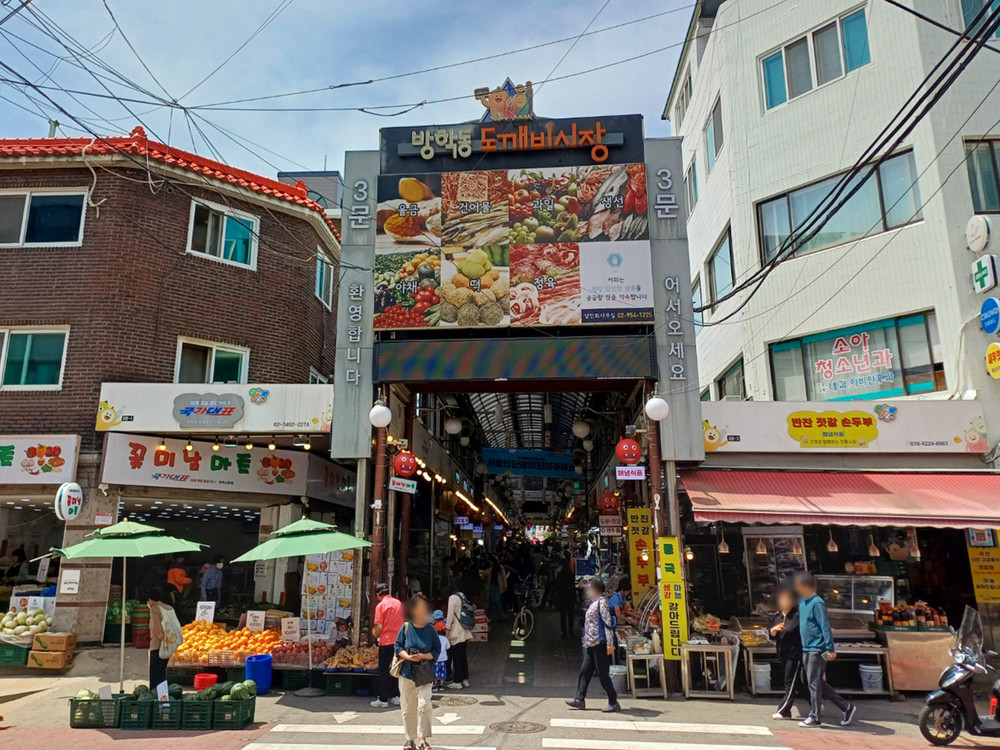
Banghak-dong Dokkaebi Market

A practical neighborhood market with fresh ingredients, street food, family-friendly facilities, and local delivery services.

Area
Banghak-dong, Dobong-gu
Best for
Family grocery trip and snacks
Pace
Lively
Transit
Check the official market page for transit details.
Parking
Check the official market page for parking details.
Scale
88 stores
Tip
Check the family lounge, customer center, and public parking before visiting with children.
Dobong-guSsangmunLocalGroceries

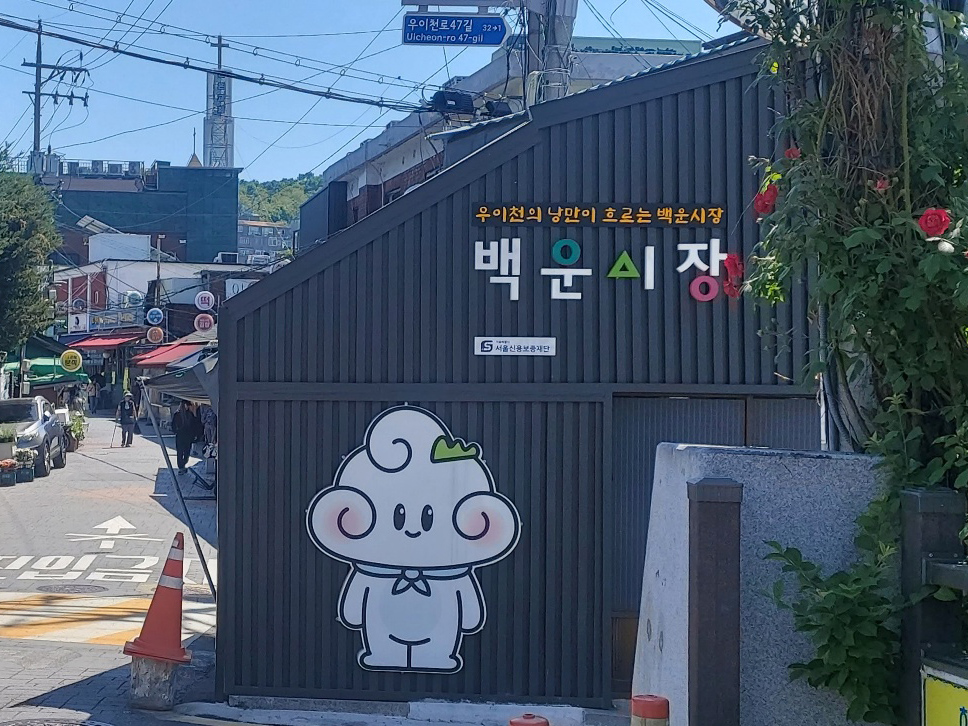
Baekun Market

An everyday market around the Ssangmun and Ui neighborhood edge, better for local grocery shopping than sightseeing.

Area
Ssangmun-dong, Dobong-gu
Best for
Everyday ingredients
Pace
Easy
Transit
Check the official market page for transit details.
Parking
Check the official market page for parking details.
Scale
64 stores
Tip
It works well as a short stop before or after a walk toward the Ui area.
Dobong-guDobong-dongBanghak StationShopping street

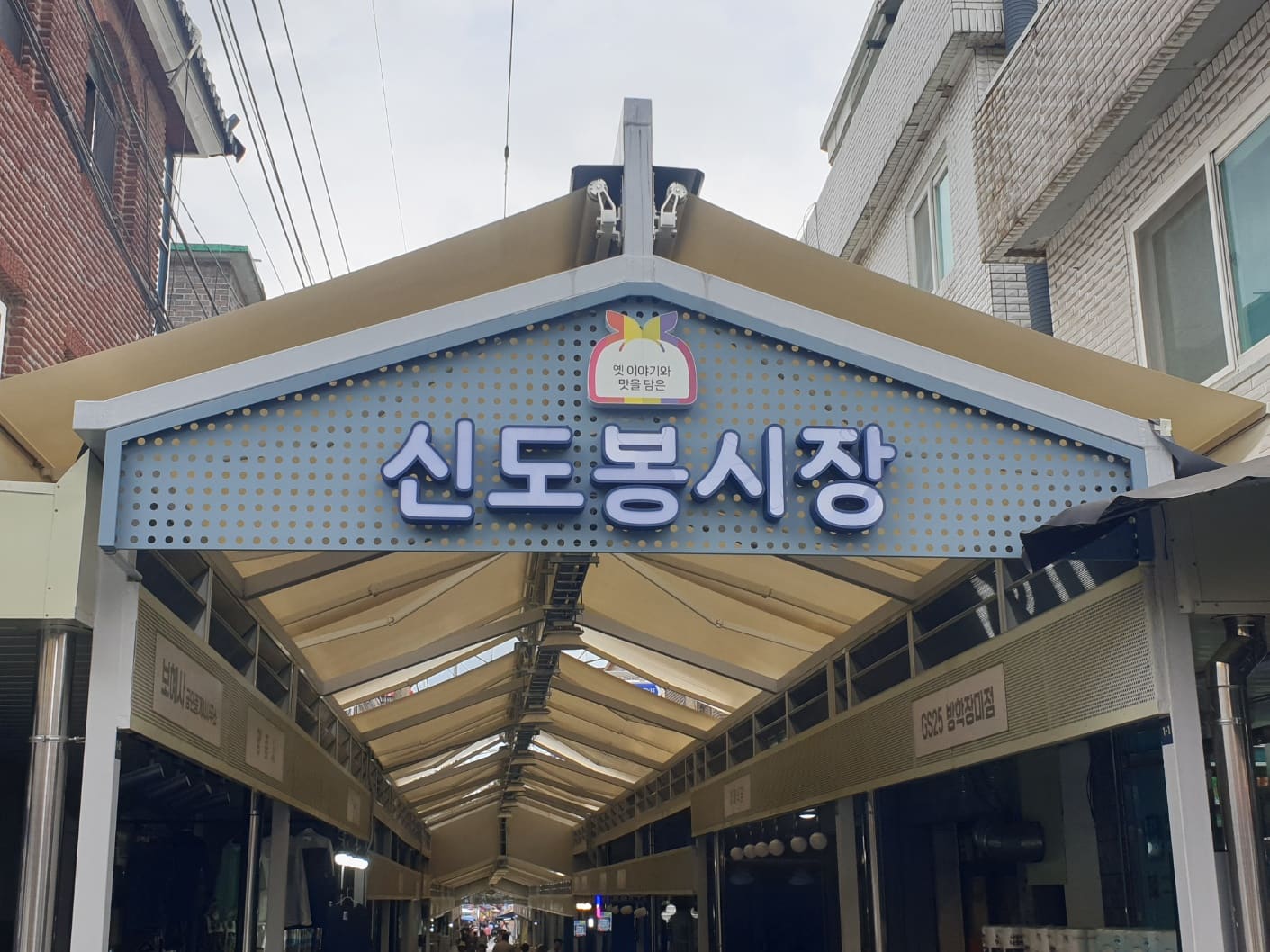
Shindobong Market

A market near Banghak Station where traditional stalls sit beside clinics, pharmacies, jewelry shops, and eyewear stores.

Area
Dobong-dong, Dobong-gu
Best for
Transit-friendly local shopping
Pace
Moderate
Transit
Check the official market page for transit details.
Parking
Check the official market page for parking details.
Scale
160 stores
Tip
Its station access makes it an easy stop before or after heading toward Dobongsan.
Dobong-guSsangmunAlleyFood

Ssangmun Market

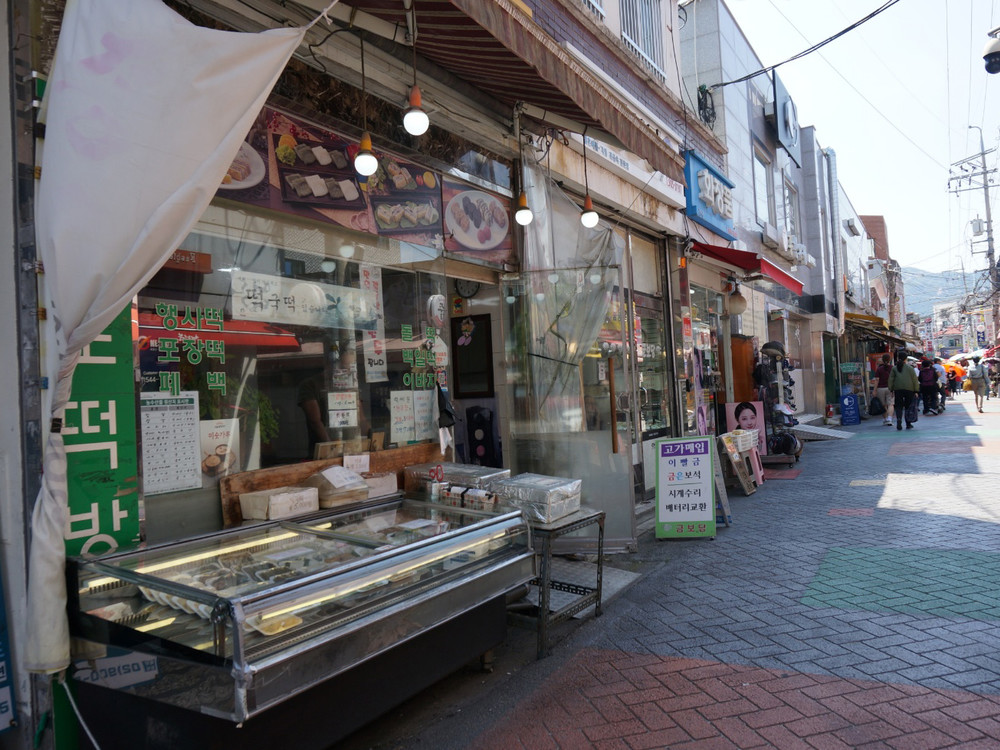
A neighborhood alley market near Ssangmun Station with meat shops, food stalls, vegetables, and an old Seoul mood.

Area
Ssangmun-dong, Dobong-gu
Best for
Alley-market atmosphere
Pace
Moderate
Transit
Check the official market page for transit details.
Parking
Check the official market page for parking details.
Scale
68 stores
Tip
Walk the surrounding Ssangmun alleys to feel the local rhythm.
Dobong-guChangdongAlleyWalk

Changdong Alley Market

A compact alley market near Ui Stream and Choansan walking routes, good for a relaxed grocery stop after a walk.

Area
Chang-dong, Dobong-gu
Best for
A light stop after a walk
Pace
Easy
Transit
Check the official market page for transit details.
Parking
Check the official market page for parking details.
Scale
59 stores
Tip
There is no dedicated parking, so plan around transit or walking.
Dobong-guChangdongBanchanGroceries

Changdong Sinchang Market

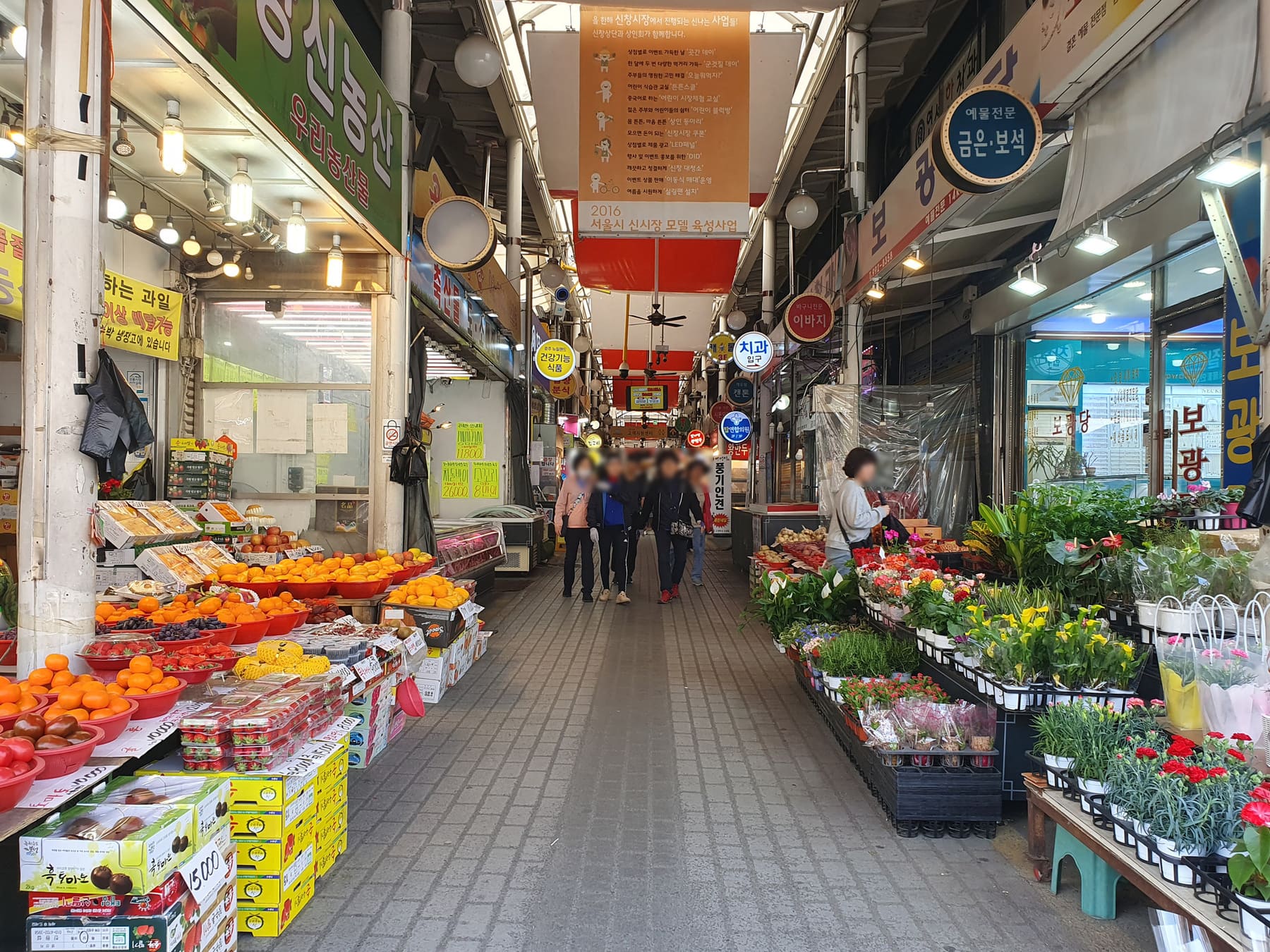
A daily shopping market for produce, side dishes, small restaurants, and household goods in the Chang-dong area.

Area
Chang-dong, Dobong-gu
Best for
Local groceries and banchan
Pace
Moderate
Transit
Check the official market page for transit details.
Parking
Check the official market page for parking details.
Scale
76 stores
Tip
Pair it with nearby Changdong Alley Market for an easy market walk.

Dobong-gu market information is first organized from Dobong-gu traditional market guide materials.

Taste the World, Cook Together!

A participatory international exchange connecting everyday life and the world,a public-interest food culture workshop completed by youth participation

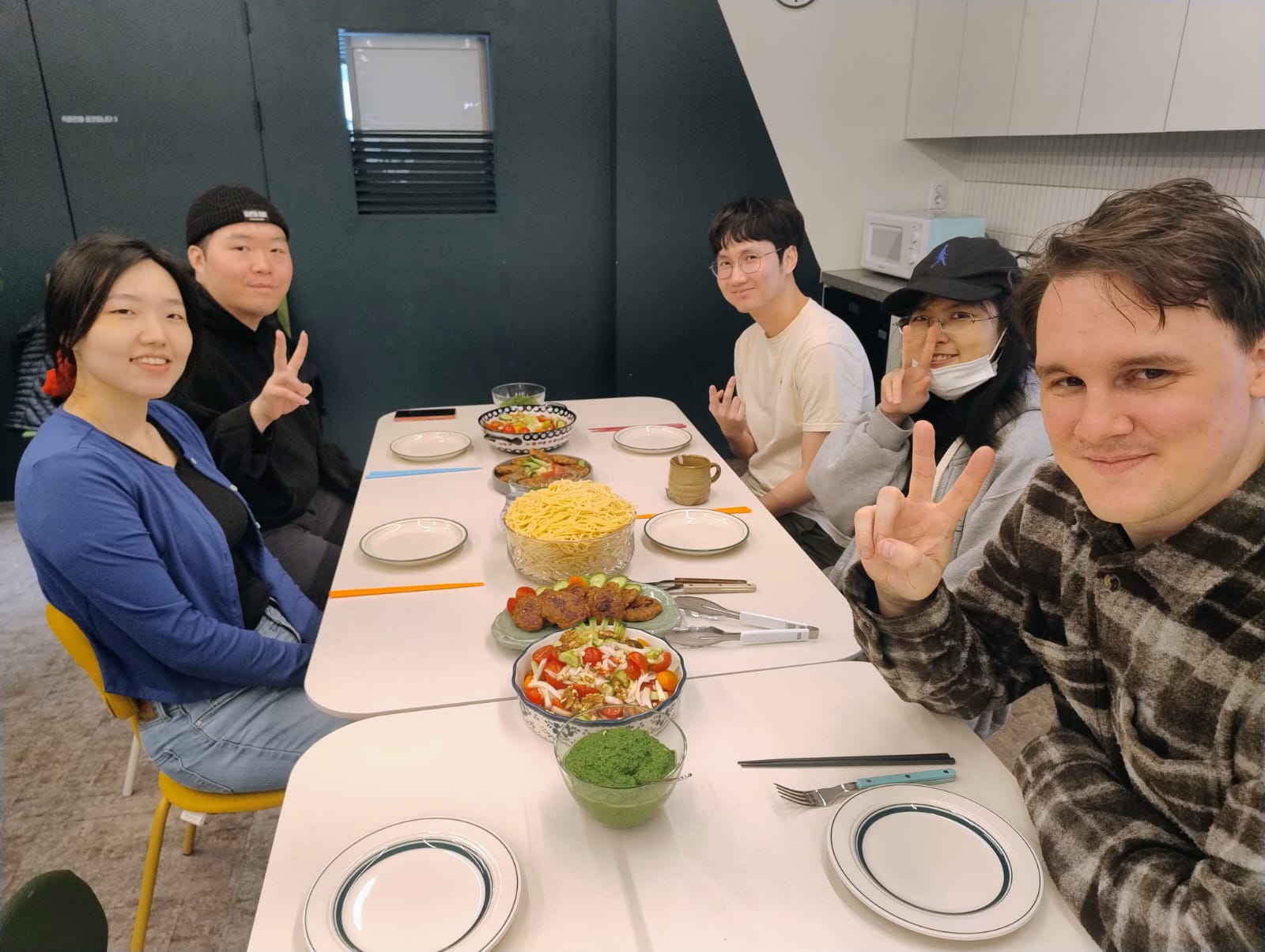
Begin with warm connection in a local market shaped by the simple everyday lives of local people. When open hearts, fresh ingredients, and recipes carrying each person's tastes come together, our communication becomes rich enough. BeyondSeoul focuses fully on the stories and presence of the people seated across the table, pursuing a deep sense of connection completed together through care and consideration.

Once a month, we carefully prepare a space where participants respect one another's cultures and communicate with depth. Operated with official support from Dobong-gu, Seoul, this verified public-interest project expands the value of mutual understanding through voluntary youth solidarity. We warmly invite you to a sincere table open to everyone, where you can share your own story with care.

Apply for Workshop
Supported Program Guide

Public-interest workshop principles

Transparent operation based on public support

We prioritize public-interest programs that lower the burden on participants. If actual costs such as ingredients are needed, they are shared in advance.

Small groups of around 6 to 10 people

The group stays intimate so every participant can become part of the conversation.

Local market walk and fusion cooking

Participants connect through local markets around the world, ingredients, and shared cooking.

Flexible format for partner institutions

The workshop flow can be adjusted to fit each partner's purpose, space, and participants.

01. Share your taste

Leave a light note about your interests and the languages you can use.

02. Monthly workshop guide

Receive the monthly international workshop schedule and confirm your participation.

03. Global market tour

Korean and international mates walk a local market together and discover interesting ingredients.

04. Fusion cooking class

Exchange cooking tips across borders and create one shared dish together.

Beyond Seoul Contact

Talk to us anytime

From new workshop ideas and creative collaboration proposals to small questions about Korean and global local market tours, please share anything you would like to discuss with BeyondSeoul.

Every kind of story is welcome

  • Creative collaborations and proposals
  • Questions about joining a workshop
  • Press, media, and institutional partnerships

Leave a message through the button below, and we will read it carefully and reply thoughtfully to the email you provide.

Contact Us✉️ beyondseoul.travel@gmail.com